



REVESCO. Revista de Estudios Cooperativos. ARTÍCULOS
e-ISSN: 1985-8031
María Isabel Sánchez Hernández
Universidad
de Extremadura (España) 

Francisca Castilla Polo
Universidad
de Jaén (España)
https://dx.doi.org/10.5209/REVE.101841 Recibido: 20/12/2024 • Aceptado: 25/03/2025 • Publicado: 14/05/2025
ES Resumen. La incorporación de nuevas tecnologías en cooperativas constituye un factor fundamental tanto para la Investigación e Innovación Responsables (IIR), como para la internacionalización de estas organizaciones. Dentro del panorama de las políticas de investigación europeas, la IIR ocupa una importancia significativa ya que ofrece un marco de sostenibilidad destinado a armonizar las dimensiones económica, sociocultural y ambiental dentro de los paradigmas vigentes de innovación. A pesar de la creciente importancia de la IIR, sigue habiendo escasez de literatura que examine su aplicación dentro del sector cooperativo. Centrado en las principales agroindustrias cooperativas de España, este estudio busca establecer una escala de medición integral de la IIR con un énfasis específico en la integración tecnológica, evaluando así su correlación con la orientación al mercado internacional (OI) de estas empresas. La metodología empleada es un modelo de Ecuaciones Estructurales basado en un cuestionario creado para los fines de la investigación en el que han participado 60 directivos dentro del ranking de las 100 cooperativas más reputadas del país. Nuestros hallazgos empíricos confirman que las cooperativas agroindustriales que promueven activamente la adopción de tecnología entre sus miembros facilitan los procesos de desarrollo tecnológico, y adoptan estrategias de innovación abierta, presentan una mayor orientación al mercado internacional. Estos conocimientos no sólo impulsan a los profesionales de la agroindustria a priorizar la adopción de tecnología, sino que también promueven la necesidad de diseñar políticas destinadas a impulsar el avance tecnológico de la economía.
Palabras clave. Agroalimentario, cooperativas, orientación a la internacionalización, investigación e innovación responsable (IIR), tecnología.
Claves Econlit. Q13, Q16, O32, O33, M14, M16.
ENG Responsible Research and Innovation (RRI) through technology: implications for international market orientation in agribusiness cooperatives
ENG Abstract. Incorporating new technologies into cooperatives is pivotal for both Responsible Research and Innovation (RRI) in these organizations and their internationalization. RRI has particular prominence in the European research policy landscape, offering a sustainability framework aimed at harmonizing economic, socio-cultural, and environmental dimensions within current innovation paradigms. Despite the growing importance of RRI, there is still a dearth of literature on its application within the cooperative sector. Focusing on Spain's foremost agribusiness cooperatives, this study seeks to establish a comprehensive measurement scale for RRI with a specific emphasis on technological integration, which is then used to evaluate the correlation between RRI and these enterprises' international market orientation. To that end, we apply Structural Equation Modelling to data sourced from a questionnaire administered to 60 managers selected from the 100 most reputable cooperatives in the country. Our empirical findings show that agribusiness cooperatives actively promote technology adoption among members, facilitate technology development processes, and embrace open innovation strategies to exhibit heightened international market orientation. These insights should not only drive agro-industry practitioners to prioritize technology adoption but should also encourage policymakers to accelerate the technological advancement of the economy.
Keywords. Agribusiness, cooperatives, internationalization orientation, responsible research and innovation (RRI), technology.
Summary. 1. Introduction. 2. Theoretical framework, conceptualization, and antecedents. 3. Methodology. 4. Results. 5. Discussion. 6. Conclusion, limitations and future lines of research. 7. References.
How to cite: Sánchez Hernández, M.I. & Castilla Polo, F. (2025). Responsible Research and Innovation (RRI) through Technology: implications for international market orientation in agribusiness cooperatives. REVESCO. Revista de Estudios Cooperativos, 150(1), 1-14, e101841. https://dx.doi.org/10.5209/REVE.101841.
The concept of Responsible Research and Innovation (RRI) has emerged as a significant topic in the context of European research policy, offering a framework aimed at combining economic, socio-cultural, and environmental aspects into any attempt at innovation. It has been argued that RRI not only improves the quality of knowledge within organizations but can also be used to develop new knowledge (Stahl et al., 2017; Jakobsen et al., 2019). RRI helps democratize innovation through the inclusive engagement of all stakeholders to address sustainability challenges, with previous academic studies on the topic highlighting the importance of “the values of ethics, public engagement and participation” (Loureiro & Conceiçao, 2019: 6). However, there is a noticeable lack of research examining how RRI principles apply within the cooperative sector. Similarly, while the integration of technology has been recognized as a pivotal component of both RRI (Stilgoe et al., 2013; Eastwood et al., 2019; Loureiro & Conceiçao, 2019) and firms’ international outlook (Adenle et al., 2019), there is a lack of studies linking RRI, technology, and internationalization within the cooperative movement. Additionally, commercial and technological advantages are significantly associated with agribusinesses in Spain (Torrecillas & Martinez, 2022).
Cooperatives must adhere to the foundational cooperative principles and values defined by the International Cooperative Alliance in its seminal declaration (ICA, 1995). Given the resulting cooperative culture, these organizations present an auspicious environment for the institutionalization of RRI. In addition, like other businesses, cooperatives are actively integrating sustainability practices into all their operations, including innovation (Castilla-Polo & Sánchez-Hernández, 2020). These practices not only align with stakeholders’ expectations but also serve to legitimize the organization itself. Thus, RRI can help to improve the reputation of an organization and ensure positive differentiation, since markets are becoming more demanding and value organizations’ contribution to sustainability as well as their fulfillment of financial goals (Sánchez-Hernández & Castilla-Polo, 2024). According to Garst et al. (2022), the business literature indicates a need to redefine the concept of innovation, such that it is viewed not merely as a source of competitive advantage but also as a catalyst for solutions to major challenges. Furthermore, the RRI research underscores the imperative to redefine the innovation paradigm, particularly when it comes to the case of cooperatives. Accordingly, our first research objective is to answer the question How does RRI fit into the agri-food cooperative sector?
Regarding internationalization, literature has primarily focused on the main constraints associated with expanding beyond borders, with only limited attention paid to internationalization strategy in cooperatives. In our study, we introduce International Orientation (IO) as a measure of how actively organizations seek out new business opportunities in foreign markets and allocate resources for expansion abroad, as noted by Bagheri et al. (2019), Moen et al. (2016) and the OECD (2023). According to the OECD (2023), in contrast to private businesses, social economy enterprises may pursue international expansion to amplify their influence and engage a broader audience, or to bolster their ability to fulfill their social mission within their current target market, thus linking IO with sustainability.
Innovation is widely recognized as a key source of competitive advantage, enabling IO by offering benefits such as first mover advantage (Porter, 1997) and enhanced reputational positioning (Adigüzel, 2020). However, RRI takes innovation a step further by integrating a social dimension, thereby addressing societal expectations about responsible conduct. Companies should leverage both RRI and their reputation to access new markets, as these assets have been shown in the literature to provide sustainable advantages in the internationalization process. To analyze these aspects, we pose the following question: Does RRI correlate with IO in the agri-food cooperative sector? The second research objective is to assess this correlation, highlighting the positive impact of technology adoption within agri-food cooperatives.
The Spanish Agri-food Cooperative Movement (2023)[1] reports that agri-food cooperatives have demonstrated a remarkably positive trend in exports, registering a 90% increase in turnover in foreign markets between 2011 and 2021. In 2021, nearly 31% of cooperatives engaged in exports, with the generated value accounting for almost 30% of the total collective turnover. Identifying the potential drivers of internationalization is currently a political priority, supported at the European level by the Horizon Europe program (2023-2025).[2]
Our contribution to literature is twofold. Firstly, we enhance our understanding of cooperatives' IO by analyzing the adoption of technologies as a key component that can shed light on these companies' interest in internationalization. While prior research has separately examined the variables IO and new technologies, no studies to date have jointly analyzed them. Secondly, we explore the role of new technologies in RRI, a concept that offers a global framework for addressing innovation and sustainability. We thus advance the knowledge in this field by examining the effect of technology-based RRI on IO.
As a result of the empirical analysis, this study offers a scale to measure RRI in agri-food cooperatives involved in technology development processes, open innovation or simply promoting the use of technology among members of the cooperative. In addition, the RRI construct is shown to be reflective and unidimensional, and it exhibits a direct relationship with cooperatives’ IO. We argue that the empirical evaluation of RRI indicators applied to agri-food cooperatives, while requiring future refinements, can play a significant role in bridging the divide between theoretical RRI concepts and the development of practical indicators tailored for use in business environments.
The remainder of the study is structured into four sections. First, we describe the theoretical framework and develop the hypothesis. Next, we present the methodological considerations, followed by the main findings, and finish with the discussion, conclusions, limitations of the study, practical implications, and future research directions.
In this section, we examine the key concepts involved in this study within the framework of Legitimacy Theory. We provide a comprehensive review of the theoretical foundations, describing both the theory itself and the relevant concepts that underpin it.
2.1. Legitimacy Theory: An overview
The multifaceted concept of legitimacy is commonly considered to be a composite perception (Santana, 2012; Suddaby et al., 2017). It has been defined as “a generalized perception or assumption that the actions of an entity are desirable, proper, or appropriate within some socially constructed system of norms, values, beliefs, and definitions” (Suchman, 1995: 574). Thus, legitimacy is the perception that any entity (government, institution or organization, including cooperatives) operates in alignment with society. It reflects the degree to which stakeholders recognize and approve of the entity’s actions, thereby granting it the authority to function and exert influence (Lamin & Zaheer, 2012).
In business, legitimacy plays a relevant role in the firm’s ability to secure resources, build public trust, and minimize the risks derived from new regulatory challenges, and therefore in its ability to survive. Under the lens of Legitimacy Theory (Thomas & Lamm, 2012), organizations maintain and reinforce their legitimacy levels by aligning their actions and behaviors with the prevailing norms in society, common values, and general expectations. This theory postulates that organizations perceive legitimacy as a pivotal factor for their long-term sustainability and success. The theory explores how organizations establish legitimacy among diverse stakeholders and how legitimation processes influence their strategic decisions, overall performance, and continued existence. n contemporary business environments, firms are increasingly expected to engage in initiatives such as corporate social responsibility (CSR) and environmental sustainability efforts to secure their legitimacy (Deegan, 2014). These actions contribute to enhancing corporate reputation (Czinkota et al., 2014; Castilla-Polo & Sánchez-Hernández, 2025), while mitigating the risks associated with regulatory scrutiny or societal disapproval (Patten, 2020; Silva, 2021). It is worth noting that although legitimacy and reputation are interconnected terms, they have different meanings. According to King and Whetten (2008), legitimacy refers to the belief that an organization aligns with widely accepted norms and expectations, and reputation reflects the perception that an organization stands out positively compared to others in its field.
In the context of RRI, Legitimacy Theory justifies the integration of societal concerns into the innovation processes, ensuring that new research is not only scientifically sound but also socially acceptable, and aligned with societal values. RRI emphasizes the importance of engaging with stakeholders, addressing social concerns, and ensuring that innovation serves the common good, fostering a sense of trust and legitimacy in the innovation process. The close relationship of the agri-food industry with climate issues, food security, and resource management, among others (Sabio & Lehoux, 2024) can explain the potential offered by RRI for achieving legitimacy. Moreover, RRI fosters collaboration with international stakeholders, facilitating the sharing of knowledge and the co-creation of solutions that are not only commercially viable but also socially responsible and globally relevant (von Schomberg, 2013). As discussed in the following sections, from the perspective of Legitimacy Theory, technology plays a vital role in strengthening legitimacy within foreign markets and facilitating international expansion.
2.2. Technology and cooperatives: the digital transformation
The literature on cooperatives highlights that emerging technologies, particularly information and communication technologies and digitalization, offer valuable opportunities for these companies. Advancements in digital technology enable them to tap into new markets and reach consumers through websites, online storefronts, and digital advertising initiatives. More specifically, digitalization opportunities allow social economy entities to engage in international projects and events, reducing expenses and enhancing accessibility. Cooperative platforms are a key instrument in this regard (OECD, 2023). Furthermore, new technologies facilitate the gathering and analysis of data concerning customer behavior and market trends (Travassos & Carmo, 2023), empowering cooperatives to make well-informed decisions and adjust their business strategies accordingly.
One of the European Union's (2023)[3] recommendations for Member States on developing social economy framework conditions is to help social economy entities and entrepreneurs make the best possible use of new technologies to access private markets. This is achieved through online platforms, collaborative spaces, and the digital commons driven by the social economy. The incorporation of digital technology into cooperative operations not only enhances the effectiveness and competitiveness of cooperatives but also strengthens their dedication to democratic governance, member involvement, and social accountability (Sanfilippo & Chattopadhyay, 2020). In this respect, De Íscar (2024) supports the adoption of blockchain technology in cooperatives, highlighting its potential to improve transparency and security in business transactions and communications. This digital technology allows for the clear identification of individuals within cooperative governance structures by streamlining processes (such as virtual meetings), and by strengthening shareholder rights (for instance, regarding access to information and voting systems).
Jorge-Vázquez et al. (2019) conducted an in-depth analysis of how agribusinesses integrate digital technologies through their online platforms and web services. They found a notable lag in the digital transformation of agricultural cooperatives, with this disparity largely influenced by factors such as cooperative size and the specific subsector in which they operate. Later, De Peuter et al. (2022) examined how cooperative theory and practice were being updated for the digital era, addressing emerging concepts such as platform cooperativism, open cooperativism, and distributed cooperative organizations. A recent study by Meliá et al. (2024) emphasizes the growing trend of consolidation among agri-food cooperatives in Spain. This approach is aimed at achieving economies of scale, allowing cooperatives to enhance members’ incomes through cost reductions, increased bargaining power (due to higher trading volumes), and a broader range of services. Additionally, technological advancements play a key role in supporting consolidation efforts by optimizing operations, improving efficiency, and enhancing decision-making processes.
Although it has been acknowledged that agricultural cooperatives may sometimes struggle to understand and implement innovative technologies (Carayannis et al., 2018), the effective utilization of these new technologies can also strengthen democratic governance, improve operational performance, and generate greater benefits for members and their communities (Santos et al., 2024). In fact, many cooperative principles, particularly those related to democratic participation and education, can be reinforced through digital tools. For that reason, technological advancements can help cooperatives to remain true to their core values while adapting to digital transformation, ensuring their continued relevance and resilience. Thus, knowledge of how to use these technologies in cooperative management can reinforce cooperative principles and foster long-term sustainability (Gargallo et al., 2019).
2.3. Technology within RRI
European research policy emphasizes the importance of RRI in promoting a structured framework for activities and processes that balances economic, socio-cultural, and environmental aspects within innovation. In addition, the integration of digital technologies in firms is acknowledged as a significant component of RRI (Stilgoe et al., 2013; Eastwood et al., 2019). However, there is a lack of studies on RRI specifically in the cooperative sector, with some exceptions such as Sánchez-Hernández and Castilla-Polo (2024).
Integrating RRI into the analysis of cooperatives, requires a classification of sources of innovation within agri-food cooperatives that accounts for the numerous existing classifications and their alignment with private enterprises. Another crucial aspect to consider is that cooperative members take on a triple role as partners-owners, suppliers, and internal customers, benefiting from a variety of services provided by the cooperatives (Segovia & Sánchez, 2010). This triple role also influences the adoption of new technologies. Unlike in consumer markets, cooperatives’ innovation-related decisions are based on the “complex inter-organizational relationship between the organization and strategic interests of their stakeholders, and the search of the social well-doing of all of them” (Segovia & Sánchez, 2010: 123). Expanding on the findings of Garst et al. (2022), numerous business scholars engaged in the discourse on RRI have emphasized the need to reconceptualize the innovation paradigm, particularly within cooperative contexts—an area we aim to elucidate in our study.
As we have previously observed, cooperatives must adhere to the principles and values defined by the International Cooperative Alliance (ICA) in 1995, which serve as a global standard. The resulting culture makes these companies an especially favorable setting for RRI. In addition, like other businesses, cooperatives are actively integrating sustainability considerations into all their operations, including innovation. Sustainable practices not only conform to consumer expectations, but also help establish the legitimacy of the organization (Sánchez-Hernández & Castilla-Polo, 2024). Since markets increasingly prioritize sustainability contributions alongside economic objectives, RRI can enhance a company’s reputation and serve as a source of positive differentiation (Gónzalez-Ramos et al., 2018; Sánchez-Hernández & Castilla-Polo, 2024).
Reputation for technological innovation has been emphasized in the literature (Chun, 2005; Rindova et al., 2005; and more recently, Höflinger et al., 2018) as a critical intangible asset in competitive markets. It can thus play a relevant role in IO processes. In a recent study, González-Ramos et al. (2018) examine this type of reputation, which impacts recognition both internally (among employees) and externally (within society). Furthermore, technological leaders demonstrate a higher commitment to sustainability.
Given the dynamic nature of contemporary agricultural practices, the pursuit of sustainability necessitates perpetual evolution propelled by advancements in knowledge and technological innovation (Kurlavičius, 2009; Adenle et al., 2019). This sector currently represents the most significant segment of the cooperative movement. Earlier studies have explored the significance of innovation in agri-food cooperatives (Segovia & Sánchez, 2010), proposing a four-tier framework for innovation encompassing management, technology, market, and normative context, among other criteria. Additionally, Jorge-Vázquez et al. (2019) concluded that there is room for improvement in the digitalization process of agri-food cooperatives in Spain. Other studies have examined innovation in olive oil cooperatives in Spain, demonstrating its significance as a factor in enhancing cooperative reputation (Castilla-Polo et al., 2018). In the same vein, Mozas et al. (2020) addressed how investment in digital technology and specialized human capital partially facilitates the commercialization of olive oil by this type of company. Finally, the closest antecedent to our study analyzes RRI in Spanish cooperatives as a moderating variable in the social capital-return relationship (Sánchez-Hernández & Castilla-Polo 2021). Moreover, the same authors recently proposed a scale for measuring RRI in cooperatives (Sánchez-Hernández & Castilla-Polo, 2024) under the Legitimacy Theory lens.
2.4. RRI: the multidimensional framework
There is considerable ambiguity in the terminology used to describe RRI, with closely related terms such as responsible innovation, CSR and innovation, and sustainable-oriented innovation (Adams et al., 2016). Nevertheless, what all these concepts have in common is that the innovation pursued aligns with sustainable business development. Assessing RRI involves evaluating the extent to which research and innovation processes effectively align with principles of responsibility, sustainability, and societal benefit. Within the European policy context and in previous theoretical works—specifically the work of Owen et al. (2013), Long and Blok (2018), and Eastwood et al. (2019), but mainly the seminal paper of Stilgoe et al. (2013: 1570-1573)—RRI is described as consisting of four conceptual dimensions: anticipation, inclusion, reflexivity, and responsiveness.
The anticipation dimension refers to thinking ahead and trying to predict what might happen in response to new technologies or scientific discoveries. It is like looking into a crystal ball to see the possible effects of what we are doing now (Regan, 2021) and their consequences. For example, if scientists are developing a new farming technology, anticipation would involve thinking about how it might change farming in the future, and what benefits and problems it might bring (Rose & Chilvers, 2018).
Regarding the second dimension, according to Silva et al. (2019) and Fraaije and Flipse (2020), inclusion ensures that all stakeholders potentially impacted by new technologies or research are actively and effectively involved in the decision-making process. This dimension of the RRI emphasizes the importance of engaging diverse perspectives before making significant decisions (Felt et al., 2018). For example, in the development of a new plant variety, inclusion would involve wholesales, potential consumers, healthcare or nutritionist professionals, and community representatives to discuss its implications and applications.
Thirdly, the reflexivity dimension of RRI involves the critical examination of the values and assumptions that underpin research and innovation. It requires firms to question the motivations behind the research or the innovation, and to assess whether these motivations align with general ethical principles (Jakobsen et al., 2019). For instance, when a cooperative is implementing a new technology, reflexivity encourages an evaluation of whether or not it is being developed in a socially responsible and ethical manner, ensuring that it really serves the public interest (Attia & Edge, 2017).
The last dimension of RRI is responsiveness. It refers to maintaining openness and transparency throughout RRI processes (Chien et al., 2024), as well as demonstrating a willingness to adapt, based on societal feedback (Owen et al., 2020). This concept highlights the need for flexibility, allowing adjustments when initial plans prove ineffective or when concerns arise. For instance, if a cooperative is introducing a new product, responsiveness would involve considering customers´ feedback and making necessary modifications to better meet consumer needs (Reichhart & Holweg, 2007).
Sánchez-Hernández and Castilla-Polo (2024) recently developed a framework for measuring RRI as a reflective construct. They employed descriptive statistical analyses to summarize key dataset characteristics, exploratory factor analysis to identify the underlying structure of the RRI scale, and confirmatory tetrad analysis to validate relationships between these variables. Additionally, the authors applied consistent partial least squares path modelling to examine the direct link between RRI and the IO of cooperatives. Their study has multiple implications for the analysis of RRI in cooperatives, accounting for all the aforementioned dimensions: anticipation, transparency, reflexivity, and responsiveness.
2.5. Internationalization and cooperatives
The internationalization of cooperatives is a subject of debate and remains a challenge, although evidence shows that international expansion is not only possible but has already become a reality for the world's leading cooperatives (Bretos et al., 2018). Despite their strong presence in local and national markets and their proven resilience in the face of crises (Rivera et al., 2023), most cooperatives have yet to fully realize their potential in foreign markets, partly due to tensions between local and global capitalist spaces (Ajates, 2020). There are well-known cases of internationalization, such as the Mondragon cooperatives, which operate in highly competitive and globalized sectors and have expanded internationally since the early 1990s (Bretos et al., 2019). However, it is also true that several factors hinder the international expansion of cooperatives. For example, Andrieu et al. (2024) studied the internationalization of Argentinian cooperatives in the beekeeping sector and conclude that they have a low level of market orientation, which leads them to preferentially choose bulk sales. The reason for this is that, unlike multinational corporations, traditional small cooperatives often prioritize social and community-based objectives, which can sometimes slow their entry into competitive global markets.
According to the OECD (2023: 39), innovation in business models plays an important role “as social and solidarity economy enterprises seek to navigate the challenges of internationalization by developing novel approaches and solutions”. RRI is proposed as one driver of IO for the following reasons.
Firstly, there is a broad consensus in academic and business spheres about the importance of companies' innovation and its relationship with the ability to gain competitive advantages in the markets (see Prahalad & Hamel, 1990 as a seminal paper). Being innovative is essential for achieving new products, processes, or skills that improve the company's market position and ensure its survival. Digital technology is considered a means to facilitate innovation among companies, even though specific technologies are needed in the case of agri-food cooperatives (Santos et al., 2024). Some researchers argue that innovation can involve the development of new business strategies (Borges et al., 2021), including internationalization (Bell & Loane, 2013), mainly by means of the internet and artificial intelligence (Tekic & Füller, 2023).
Secondly, most companies prioritize end consumers to create quality and innovative experiences throughout the value chain. Within these experiences, the growing prominence of sustainability paves the way for RRI. This umbrella concept places innovation and sustainability on the same level, supporting the democratization of the innovation process since it implies collaboration with stakeholders to address sustainability challenges. As pointed out by the European Union, a definitive consensus on the definition of RRI remains elusive, and there is a similar gap regarding the metrics to gauge its impact. Nevertheless, it is evident that, by embracing innovation and sustainability, RRI strives to foster creativity and opportunities for scientific advancement that align with societal needs and public interests. Essentially, RRI is an approach that anticipates and evaluates potential implications and societal expectations regarding research and innovation, intending to promote inclusive and sustainable research and innovation initiatives (Schuijff & Dijkrtra, 2020).
The traditional concept of innovation, as outlined in the literature on cooperatives, also encompasses the ability to anticipate and respond to market changes, necessitating a reassessment of strategies, leadership, and decision-making. Consequently, some authors advocate for consumer analysis as a strategy to foster positive quality and innovation experiences throughout the value chain (Gockowski et al., 2013). According to Segovia and Sánchez (2010), social and political pressures, along with the imperative to meet these demands, are the primary motivators shaping organizational strategies and decisions in agri-food cooperatives. This entails mastering new technologies while remaining responsive to market dynamics and sustainability concerns. In general, responsiveness facilitates evaluations of the cooperative's business model. Against the backdrop of current market challenges, there appears to be heightened cooperative efforts to explore opportunities in foreign markets, which are particularly crucial for marketing high-quality products. Digitalization may facilitate and accelerate entry into new markets via digital platforms (Du et al., 2023).
Based on this theoretical support for technology use as a crucial variable, we posit the following hypothesis
H1: RRI focused on technology facilitates the IO of agribusiness cooperatives.
The model to be empirically tested is shown in Figure 1, which shows both constructs, RRI and IO, the direct and positive relationship posited by the hypothesis (H1), and the selected indicators for each construct according to the scales presented below.
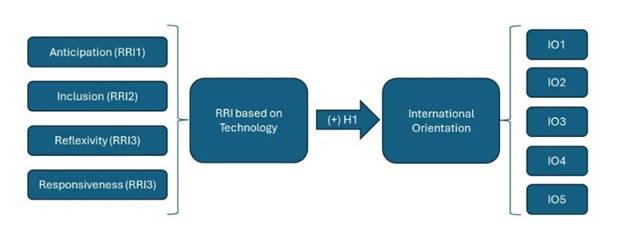
(Fig.1) Theoretical model: Representation of the expected relationship between RRI and IO (Own elaboration from literature review, no permission required).
3.1. Method and procedure
The study was conducted using an online questionnaire relating to the RRI construct, measured with 4 items, and the IO construct, measured with 5 items, both considered as reflective constructs. The next sections show the scales proposed for technology-based RRI and their antecedents in academic literature. We have constructed the scale based on the European RRI policy context and earlier theoretical studies, specifically drawing from the research of Owen et al. (2013), Long and Blok (2018), and Eastwood et al. (2019). However, the primary foundation of our scale stems from the seminal work of Stilgoe et al. (2013). Related to IO, the scale is based on the work of previous authors such as Welch and Luostarinen (1993), and Zhou et al. (2007).
The sample was selected from the top 100 Spanish agri-food cooperatives listed in the CEPES ranking, which offers a reputation assessment of these enterprises. The data were collected from 60 managers of these Spanish agri-food cooperatives. The study was performed in line with the principles of the Declaration of Helsinki. A file with data derived from this research was created in the RUJA repository: https://ruja.ujaen.es/. Due to the non-multivariate normality of the data, Smart PLS, a non-parametric analysis software for structural equation modeling (SEM) (version 4.0.9.6), was employed (Ringle et al., 2024). This method can be used to assess both observed variables (indicators or items) and latent variables (or constructs) (Owolabi et al., 2020), thus allowing us to test the theoretical model. It is a method widely applied across different social science disciplines (Risher & Hair, 2017) and has been used in several previous studies on the topic of cooperatives (Castilla-Polo & Sánchez-Hernández, 2017; Sok et al., 2021; Mustapa et al., 2024).
3.2. Scale for assessing technology-based RRI in agribusiness cooperatives
The approaches to RRI outlined by Stilgoe et al. (2013), along with the selection of indicators and activities related to smart farming by Eastwood et al. (2019), have provided a comprehensive framework for understanding the complexities of technological integration in agribusiness practices. Based on these antecedents and incorporating insights from Sánchez-Hernández and Castilla-Polo (2024), we have developed a tailored scale with four indicators—one for each RRI dimension—specifically focused on technology:
- Anticipation highlights the role of foresight and technology assessment in shaping the future of agriculture (Hebinck et al., 2018). Tools such as technology-use surveys are essential for understanding farmers' perceptions and willingness to adopt new technologies. Conducting these surveys allows agri-food cooperatives to collect valuable insights on the technological preferences and practices of their members, supporting more informed decision-making. The first indicator in our RRI scale was: "We conduct surveys to find out the technology use of each member of the cooperative” (RRI1).
- Inclusion emphasizes the importance of engaging relevant stakeholders in discussions about the socio-ethical implications of technology adoption (Metta et al., 2022). Consensus conferences and similar participatory methods create opportunities to explore these issues collectively. By organizing workshops, debates, and training sessions, agribusiness cooperatives promote inclusivity, ensuring that farmers have a voice in shaping how technology is integrated into their work. The second indicator in our RRI scale was: " We involve our members in workshops, debates, or training courses about the use of and interaction with technology” (RRI2).
- Reflexivity focuses on ethical considerations and self-assessment in research and innovation processes (Jakku et al., 2022). Encouraging critical reflection on the assumptions and values underlying technological advancements helps cooperatives foster responsible and ethical technology adoption. The presence of reflexive monitors and dedicated facilitators further strengthens this approach by creating spaces for continuous evaluation and improvement. The third indicator in our RRI scale was: "We have research groups and/or specific job positions to promote technology use” (RRI3).
- Responsiveness emphasizes the need for transparency and accessibility in research and development (Metta et al., 2022). Open research practices and data-sharing initiatives enable agribusiness cooperatives to contribute knowledge and innovation to the broader community, ensuring accountability and adaptability. Active participation in open and transparent R&D projects reinforces cooperatives' commitment to societal needs. This was the final indicator in our RRI scale: " We are involved in open and completely transparent R&D projects with data exchange” (RRI4).
3.3. Scale for measuring the IO of cooperatives
Internationally-oriented firms generally reflect a proactive and strategic mindset toward engaging with global markets. The concept of IO is defined by a broad international perspective, cross-cultural competence, strategic adaptability, and a long-term commitment to expanding operations beyond national borders. Welch and Luostarinen (1993) described IO as an organization's readiness to allocate resources, time, and effort to understand foreign markets, establish international networks, and develop the necessary capabilities to compete on a global scale.
A relevant academic reference in this area is the work of Zhou et al. (2007). These authors provided an in-depth analysis of IO dimensions, identifying several key components that shape the firm’s approach to internationalization. Firstly, a global perspective involves thinking beyond national boundaries and recognizing the interconnectedness of markets and opportunities worldwide. Secondly, cross-cultural competences refer to the ability to understand and assimilate cultural differences when managing business internationally. Thirdly, strategic flexibility is the ability to adjust strategies and tactics in response to changes in global business environments. Finally, a commitment to internationalization entails long-term dedication to expanding and maintaining operations beyond domestic borders.
Based on these authors, and the recent work of Sánchez-Hernández and Castilla-Polo (2024), we employ the following indicators: “We intensively seek out foreign markets” (IO1); “We utilize foreign information” (IO2); “We utilize advanced management skills from foreign countries” (IO3); “We are focused on developing lasting alliances with foreign partners and/or clients” (IO4); and “We manage our international marketing operations efficiently” (IO5).
The first result of the empirical analysis, shown in the correlation matrix (Table 1), concerns the relationships between the indicators of the two constructs under study: RRI (the independent variable in the model), and IO (the dependent variable). The matrix reveals consistent positive associations between the indicators of RRI and IO, suggesting that changes in one construct are associated with predictable changes in the other construct, which supports the validity of the proposed relationships in the model. Given that all correlation coefficients fall within the range of 0.404 to 0.720, the results show moderate to strong positive correlations between the indicators of RRI and IO.
Table 1. Correlation Matrix
Source: own elaboration
The measurement model assesses the relationships between latent constructs (RRI and IO) and their respective observed indicators (shown in Figure 2). Analyzing the measurement model helps to understand how well the observed variables (indicators) reflect the underlying constructs. Regarding factor loadings, they measure the strength of the relationship between each indicator and its associated construct. Loadings above 0.7 are considered strong, indicating that these indicators effectively represent the construct. In the model, the highest loading for RRI was 0.912 (indicator RRI2), demonstrating that this indicator strongly reflects the RRI construct. The lowest loading, found for the IO construct, was 0.804 (indicator IO3); however, this value is still considered high, confirming a strong link between the indicator and the IO construct. Overall, the indicators reliably measure their respective constructs, providing a solid basis for continuing the analysis.
The reliability and validity of the model were also tested. Regarding RRI, the composite reliability (rho_a) was 0.884, showing strong internal consistency. The average variance extracted (AVE) for RRI was 0.729, exceeding the 0.5 threshold, indicating that the construct captures a significant portion of the variance shared by its indicators. Additionally, Cronbach’s alpha for RRI was 0.875, supporting the internal consistency of the measurements. This was reinforced by the composite reliability (rho_c) value of 0.915, confirming the scale’s reliability. The analysis of IO also reveals strong reliability and validity. The composite reliability (rho_a) for IO was 0.892, reflecting a high level of internal consistency among the observed variables related to this construct.
Although the AVE for IO, at 0.687, was slightly lower than that of RRI, it still surpassed the acceptable threshold, suggesting that the IO construct captures a significant proportion of shared variance among its indicators. Additionally, Cronbach’s alpha for IO was 0.887, indicating strong internal consistency. Composite reliability (rho_c) for IO was 0.917, further confirming the reliability of the scale.
Examining the structural model, and its explanatory power, the R-squared value for IO is calculated at 0.515. This indicates that approximately 51.5% of the variance in IO can be explained by our model, with RRI serving as the independent variable. Furthermore, the adjusted R-squared value, which considers the number of predictors in the model, is calculated at 0.506, indicating a robust fit.
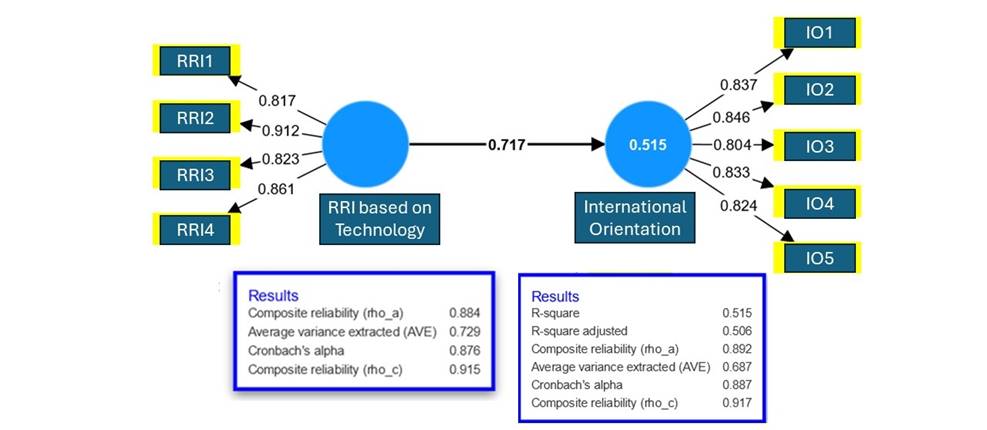
(Fig.2) Main results from the measurement and the structural model.
Finally, Table 2 shows the test of the hypothesis following the bootstrapping procedure. The outcomes of the structural model provide compelling evidence of the significant impact RRI has on IO. The bootstrapping procedure, employed to validate our findings, yields a wealth of statistical insights. The original sample path coefficient of 0.717 underscores the substantial effect of RRI on IO in our model. By computing the sample mean and standard deviation, we gain a clearer understanding of the distribution of path coefficients across numerous resamples.
Notably, the sample mean of 0.730 indicates a consistent and significant influence of RRI on IO, reinforced by a standard deviation of 0.064, suggesting minimal variance in our findings. The T statistic, a pivotal indicator of the significance of our results, emerges impressively high at 11.204. This underscores the strength of the relationship between RRI and IO, surpassing conventional thresholds for statistical significance. Additionally, the associated p-value of 0.000 unequivocally supports the acceptance of our hypothesis. This suggests that the observed relationship between RRI and IO is highly unlikely to occur by chance alone, affirming the substantive impact of technology-based RRI on fostering the IO of the selected reputed agribusiness cooperatives.
Table 2. Hypothesis testing
|
|
Original Sample |
Sample Mean |
Standard Deviation |
T statistics |
p value |
|
RRI à IO
|
0.717 |
0.730 |
0.064 |
11.204 |
0.000 |
Source: own elaboration
Cooperatives are under increasing pressure to adopt sustainable practices, and innovative technologies are needed to achieve their goals and enhance their legitimacy. Recently, Puentes-Poyatos et al. (2024) found that sustainability-related online communication in agri-food cooperatives allows these organizations to expand their international reach, showcasing their commitment to sustainability, facilitating access to new markets and attracting international partners. In a similar vein, Imaz and Eizaguirre (2020) characterized innovation, alongside science and technology, as a catalyst or facilitator of a comprehensive sustainable development agenda. These authors, focusing on the role of responsible innovation in the transformation of the cooperative model, argued that cooperatives contribute to sustainable development not just through their inherent principles and values, but also through their contribution to key horizontal enablers (e.g., partnership and innovation) of the sustainable development agenda. Segovia and Sánchez (2010) found that regulations, social and political pressures, and the need to meet customers´ demands were the main drivers of organizational strategies and decisions in agri-food cooperatives. We go further by analyzing sustainability and innovation combined within the RRI concept. This approach is relevant as it connects technology, sustainability, and internationalization, all of which are key factors for the competitiveness of cooperatives in a globalized market. Regarding IO, Ergene and Ergene (2025) examined how reporting on the sustainable development goals (SDGs) is crucial for the visibility of these initiatives and their internationalization, allowing social economy organizations to expand their reach, enter new markets and attract global partners.
Although future refinements are needed, the empirical evaluation of RRI indicators applied to agribusiness cooperatives can play a significant role in bridging the divide between theoretical RRI concepts and the development of practical indicators tailored for use in business environments. As we have discussed, the adoption of new technologies is a crucial aspect of RRI in all companies, particularly in cooperatives. In addition, this study introduces RRI as a framework for enhancing cooperative legitimacy through the adoption of new technologies. By incorporating RRI principles, agri-food cooperatives can ensure that technological advancements are not only innovative but also socially and environmentally responsible. This approach strengthens the legitimacy of cooperatives and builds trust among stakeholders, thereby positioning cooperatives as sustainable and ethical actors in the productive sector.
This study provides a structured framework for agribusiness cooperatives navigating the complexities of technological integration. It builds on the pioneering works of Stilgoe et al. (2013) and Eastwood et al. (2019) and is informed by insights from Sánchez-Hernández and Castilla-Polo (2024). By adopting a multidimensional approach to RRI that includes anticipation, inclusion, reflexivity, and responsiveness, cooperatives can harness emerging technologies while maintaining a commitment to responsibility, ethics, and transparency. As a result of the empirical analysis performed, this study presents a scale for measuring RRI in agricultural cooperatives engaged in technology development, open innovation, or initiatives that promote technology adoption among their members (Bahl et al., 2021).
Our study goes further than others centered on innovation in cooperatives since it offers a scale based on technology-use behavior rather than the outcomes of technology adoption. Key indicators capture R&D training, alliance for innovation, positions related to technology, and equitable distribution among cooperative members.
Regarding our second research objective, Bagheri et al. (2019) showed that technological innovation is key for IO (in their analysis of SMEs), and found superior performance when inward and outward approaches are integrated. Our study goes further by introducing RRI into the analysis. Also, Bretos and Marcuello (2017) presented globalization as an opportunity for cooperatives, refocusing on the sustainability of cooperatives, and considering both their strengths and potential vulnerabilities within the context of contemporary globalization. However, the inverse relationship is also possible; that is, firms’ internationalization can lead to innovation (Du et al., 2023). There seems to be evidence to support the idea that these variables are connected, but the direction of the linkage varies depending on the stage of internationalization: pre-internationalization, entry to internationalization, and post-internationalization phases, as identified by Du et al. (2023).
Our findings underscore the importance of RRI in explaining variations in IO, with our model explaining over 50% of the variance in IO. These findings provide valuable insights into the relationship between RRI and IO, contributing to a deeper understanding of the underlying dynamics in this field of study and underlining the significance of studying the nexus between RRI and IO in the cooperative movement.
In conclusion, this study makes a twofold contribution to the existing body of knowledge on RRI. Firstly, it presents an original perspective by highlighting the crucial role of technology use in fostering responsible practices within companies. By acknowledging the significant influence of technology on research and innovation processes, organizations can better align their practices with ethical and societal considerations. Secondly, our findings enrich the understanding of cooperative management, particularly within the agribusiness sector. By examining the dynamics of cooperation in this context, we uncover insights that can facilitate more effective and responsible decision-making processes. The findings should encourage the agri-food industry to prioritize technology adoption and policymakers to support technology advancement, because agribusiness cooperatives can gain a competitive advantage by implementing RRI focused on technology adoption. Overall, this study has practical implications as it underscores the importance of integrating RRI principles into technology utilization and cooperative management strategies to promote sustainable and ethically sound practices in both industry and society.
While our study yields valuable insights into the relationship between RRI and IO, several limitations must be acknowledged, particularly concerning the specificity of our sample. Firstly, the generalizability of our findings may be limited due to the homogeneity of the sample. Given that our study draws data from a single country, the extent to which our results can be extrapolated to broader contexts or diverse cultural settings may be constrained. Variations in socio-cultural, economic, and political contexts across different countries could yield differing relationships between RRI and IO. Secondly, the sample size and composition might not fully capture the diversity of perspectives and organizational contexts relevant to the research questions. A broader and more diverse sample would probably offer a deeper understanding of the nuances in the relationship between RRI and IO across various organizational types, industries, and geographic regions. Moreover, the potential biases and limitations of self-reported data could influence the validity and reliability of the findings. Respondents' subjective perceptions of RRI and IO, along with social desirability biases, may introduce measurement errors and impact the accuracy of the results. Additionally, the cross-sectional design of this study restricts the ability to establish definitive causal relationships.
While our analysis reveals a significant relationship between RRI and IO, it is difficult to ascertain the directionality of this relationship or rule out alternative explanations without longitudinal or experimental data. Although this study contributes valuable insights into the relationship between RRI and IO, it is essential to interpret our findings within the context of these limitations. Future research works should aim to address these constraints by employing larger and more diverse samples, expanding the scope to other countries and cultural contexts, using longitudinal designs to analyze the evolution of the relationship between RRI and IO, and cross-country comparisons to enhance the robustness and generalizability of findings. Future research could also explore how internal factors, such as the cooperative governance structure, moderate the relationship.
There is no conflict of interest.
The conceptualization, investigation, methodology, and writing – both the original draft, and review/editing were shared responsibilities of authors. Aut1 contributed significantly to data curation, formal analysis, and validation. Aut2 contributed significantly to funding acquisition, project administration, and resource management.
Acknowledgements
We are deeply grateful to the editor and reviewers for their work.
Funding
This research is being carried out within the financial support from the Spanish Ministry of Science, Innovation and Universities through the research project PID2021-124494NB-I00.
Adams, R., Jeanrenaud, S., Bessant, J., Denyer, D., & Overy, P. (2016). Sustainability‐oriented innovation: A systematic review. International Journal of Management Reviews, 18(2), 180-205. https://doi.org/10.1111/ijmr.12068.
Adenle, A. A., Wedig, K., & Azadi, H. (2019). Sustainable agriculture and food security in Africa: The role of innovative technologies and international organizations. Technology in Society, 58, 101143. https://doi.org/10.1016/j.techsoc.2019.05.007.
Adigüzel, S. (2020). Market and Brand Positioning and Sustainability Strategies in International Marketing. International Journal of Scientific Research and Management, 8(9), 9-24. https://doi.org/10.18535/ijsrm/v8i09.lis01.
Ajates, R. (2020). Agricultural cooperatives remaining competitive in a globalised food system: At what cost to members, the cooperative movement and food sustainability? Organization, 27(2), 337-355. https://doi.org/10.1177/1350508419888900.
Andrieu, J., Bernal Jurado, E. & Mozas Moral, A. (2024). La internacionalización del sector apícola argentino desde una mirada empresarial con énfasis en las cooperativas. REVESCO. Revista de Estudios Cooperativos, 146(1),1-14, e95355. https://dx.doi.org/10.5209/REVE.95355.
Attia, M., & Edge, J. (2017). Be (com) ing a reflexive researcher: A developmental approach to research methodology. Open Review of Educational Research, 4(1), 33-45. https://doi.org/10.1080/23265507.2017.1300068.
Bagheri, M., Mitchelmore, S., Bamiatzi, V. & Nikolopoulos, K. (2019). Internationalization Orientation in SMEs: The Mediating Role of Technological Innovation, Journal of International Management, 25(1), 121-139. https://doi.org/10.1016/j.intman.2018.08.002.
Bell, J., & Loane, S. (2013). ‘New-wave' global firms: Web 2.0 and SME internationalisation. In New Developments in Online Marketing (pp. 33-49). Routledge.
Borges, A. F., Laurindo, F. J., Spínola, M. M., Gonçalves, R. F., & Mattos, C. A. (2021). The strategic use of artificial intelligence in the digital era: Systematic literature review and future research directions. International Journal of Information Management, 57, 102225. https://doi.org/10.1016/j.ijinfomgt.2020.102225.
Bretos, I., & Marcuello, C. (2017). Revisiting globalization challenges and opportunities in the development of cooperatives. Annals of Public and Cooperative Economics, 88(1), 47-73.
Bretos, I., Díaz-Foncea, M., & Marcuello, C. (2018). Cooperativas e internacionalización: Un análisis de las 300 mayores cooperativas del mundo, CIRIEC-España, Revista de Economía Pública, Social y Cooperativa, 92, 5–37. https://doi.org/10.7203/CIRIEC-E.92.11480.
Bretos, I., Errasti, A., & Marcuello, C. (2019). Multinational expansion of worker cooperatives and their employment practices: Markets, institutions, and politics in Mondragon. ILR Review, 72(3), 580–605. https://doi.org/10.1177/0019793918779575.
Carayannis, E. G., Rozakis, S., & Grigoroudis, E. (2018). Agri-science to agri-business: The technology transfer dimension. The Journal of Technology Transfer, 43, 837-843. https://doi.org/10.1007/s10961-016-9527-y.
Castilla-Polo, F. Gallardo-Vázquez, D., Sánchez-Hernández, M.I. & Ruiz-Rodríguez, M.C. (2018). An empirical approach to analyse the reputation-performance linkage in agrifood cooperatives. Journal of Cleaner Production, 195, 163-175. https://doi.org/10.1016/j.jclepro.2018.05.210.
Castilla-Polo, F., Sánchez-Hernández, M. I., & Gallardo-Vázquez, D. (2017). Assessing the influence of social responsibility on reputation: an empirical Case-Study in agricultural cooperatives in Spain. Journal of Agricultural and Environmental Ethics, 30, 99-120. https://doi.org/10.1007/s10806-017-9656-9.
Castilla-Polo, F., & Sánchez-Hernández, M. I. (2025). A bibliometric and thematic analysis of the reputation-performance relationship within the triple bottom line framework. European Research on Management and Business Economics, 31(1), 100269. https://doi.org/10.1016/j.iedeen.2025.100269.
Chien, F., Zhang, Y., & Sadiq, M. (2024). Impact of open innovation on globalization: a survey study on China. Technological and Economic Development of Economy, 30(1), 196-217. https://doi.org/10.3846/tede.2024.19982.
Chun, R. (2005). Corporate Reputation: Meaning and Measurement. International Journal of Management Reviews, 7, 91-109. https://doi.org/10.1111/j.1468-2370.2005.00109.x.
Czinkota, M., Kaufmann, H.R., & Basile, G. (2014). The relationship between legitimacy, reputation, sustainability and branding for companies and their supply chains. Industrial Marketing Management, 43(1), 91-101. https://doi.org/10.1016/j.indmarman.2013.10.005.
De Íscar de Rojas, P. (2024). La aplicación de la tecnología blockchain en los órganos sociales de las sociedades cooperativas. REVESCO. Revista de Estudios Cooperativos, 148(1), 1-12, e99737. https://dx.doi.org/10.5209/REVE.99737.
De Peuter, G., G. de Verteuil, & S. Machaka (2022). Co-operatives, Work, and the Digital Economy: A Knowledge Synthesis Report. Submitted to the Social Sciences and Humanities Research Council of Canada Knowledge Synthesis program, Skills and Work in the Digital Economy. https://scholars.wlu.ca/cgi/viewcontent.cgi?article=1023&context=coms_faculty.
Deegan, C. (2014). An overview of legitimacy theory as applied within the social and environmental accounting literature. Sustainability Accounting and Accountability, 248-272. https://doi.org/10.4324/9781315848419.
Du, J., Zhu, S. & Li, W.H. (2023). Innovation through internationalization: A systematic review and research agenda. Asia Pacific Journal of Management, 40, 1217–1251 https://doi.org/10.1007/s10490-022-09814-z.
Eastwood, C., Klerkx, L., Ayre, M., & De la Rue, B. (2019). Managing socio-ethical challenges in the development of smart farming: from a fragmented to a comprehensive approach for responsible research and innovation. Journal of Agricultural and Environmental Ethics, 32(5-6), 741-768. https://doi.org/10.1007/s10806-017-9704-5.
Ergene, E., & Ergene, S. (2025). Organizing for good: cooperatives striving for equity, justice, and ecological well-being. Society and Business Review. Vol. ahead-of-print No. ahead-of-print. https://doi.org/10.1108/SBR-10-2023-0309.
Felt, U., Fochler, M., & Sigl, L. (2018). IMAGINE RRI. A card-based method for reflecting on responsibility in life science research. Journal of Responsible Innovation, 5(2), 201-224. https://doi.org/10.1080/23299460.2018.1457402.
Fraaije, A., & Flipse, S. M. (2020). Synthesizing an implementation framework for responsible research and innovation. Journal of Responsible Innovation, 7(1), 113-137. https://doi.org/10.1080/23299460.2019.1676685.
Gargallo-Castel, A.F., Pérez-Sanz, J. & Esteban-Salvador, L. (2019). Use of ICTs in cooperative companies: ownership and governance. Journal of Innovation and Sustainability, 10(1), 20-36 http://dx.doi.org/10.24212/2179-3565.2019v10i1p20-36.
Garst, J., Blok, V., Jansen, L., & Omta, O.S. (2022). From Value Sensitive Design to values absorption–building an instrument to analyze organizational capabilities for value-sensitive innovation. Journal of Responsible Innovation, 9(2), 196-223. https://doi.org/10.1080/23299460.2022.2069994.
Gockowski, J., Afari-Sefa, V., Sarpong, D.B., Osei-Asare, Y.B., & Agyeman, N.F. (2013). Improving the productivity and income of Ghanaian cocoa farmers while maintaining environmental services: what role for certification? International Journal of Agricultural Sustainability, 11(4), 331-346. https://doi.org/10.1080/14735903.2013.772714.
González-Ramos, M. I., Donate, M.J. & Guadamillas, F. (2018). The effect of technological posture and corporate social responsibility on financial performance through corporate reputation. International Journal of Innovation, 6(2), 164-179. https://www.scielo.cl/pdf/jotmi/v9n2/art10.pdf.
Hebinck, A., Vervoort, J. M., Hebinck, P., Rutting, L., & Galli, F. (2018). Imagining transformative futures: participatory foresight for food systems change. Ecology & Society, 23(2), 16 https://dx.doi.org/10.5751/ES-10054-230216.
Höflinger, P. J., Nagel, C., & Sandner, P. (2018). Reputation for technological innovation: Does it actually cohere with innovative activity? Journal of Innovation & Knowledge, 3(1), 26-39. https://doi.org/10.1016/j.jik.2017.08.002.
Imaz, O.; Eizagirre, A. (2020). Responsible Innovation for Sustainable Development Goals in Business: An Agenda for Cooperative Firms. Sustainability, 12, 6948. https://doi.org/10.3390/su12176948.
International Cooperative Alliance (ICA) (2015). Guidance Notes to the Cooperative Principles. Available at https://ica.coop/sites/default/files/basic-page-attachments/guidance-notes-en-221700169.pdf (Accessed May 2024).
Jakku, E., Fielke, S., Fleming, A., & Stitzlein, C. (2022). Reflecting on opportunities and challenges regarding implementation of responsible digital agri‐technology innovation. Sociologia Ruralis, 62(2), 363-388 https://doi.org/10.1111/soru.12366.
Jakobsen, S. E., Fløysand, A., & Overton, J. (2019). Expanding the field of Responsible Research and Innovation (RRI)–from responsible research to responsible innovation. European Planning Studies, 27(12), 2329-2343. https://doi.org/10.1080/09654313.2019.1667617.
Jorge-Vázquez, J., Chivite Cebolla, M.P. & Salinas Ramos, F. (2019). Digital transformation in the Spanish agri-food cooperative sector: situation and prospects. CIRIEC-España, Revista de Economía Pública, Social y Cooperativa, 95, 39-70. https://doi.org/10.7203/CIRIEC-E.95.13002.
King, B. G., & Whetten, D. A. (2008). Rethinking the relationship between reputation and legitimacy: A social actor conceptualization. Corporate Reputation Review, 11, 192-207. https://doi.org/10.1057/crr.2008.16.
Kurlavičius, A. (2009). Sustainable agricultural development: knowledge‐based decision support. Technological and Economic Development of Economy, 15(2), 294-309. https://doi.org/10.3846/1392-8619.2009.15.294-309.
Lamin, A., & Zaheer, S. (2012). Wall Street vs. Main Street: Firm strategies for defending legitimacy and their impact on different stakeholders. Organization Science, 23(1), 47-66. https://doi.org/10.1287/orsc.1100.0631.
Long, T.B., & Blok, V. (2018). Integrating the management of socio-ethical factors into industry innovation: towards a concept of Open Innovation 2.0. International Food and Agribusiness Management Review, 21, 463-486. https://doi.org/10.22434/IFAMR2017.0040.
Loureiro, P. M., & Conceição, C. P. (2019). Emerging patterns in the academic literature on responsible research and innovation. Technology in Society, 58, 101148.
Meliá Martí, E.; Juliá Igual, J.F. & Lajara Camilleri, N. (2024). Las cooperativas agroalimentarias de segundo grado de nueva generación. Un estudio de casos. REVESCO. Revista de Estudios Cooperativos, 148(1), 1-14, e97857. https://dx.doi.org/10.5209/REVE.97857.
Metta, M., Ciliberti, S., Obi, C., Bartolini, F., Klerkx, L., & Brunori, G. (2022). An integrated socio-cyber-physical system framework to assess responsible digitalisation in agriculture: A first application with Living Labs in Europe. Agricultural Systems, 203, 103533. https://doi.org/10.1016/j.agsy.2022.103533.
Moen, Ø., Heggeseth, A. G., & Lome, O. (2016). The positive effect of motivation and international orientation on SME growth. Journal of Small Business Management, 54(2), 659-678. https://doi.org/10.1111/jsbm.12163.
Mozas-Moral, A, Bernal-Jurado, E. Fernandez-Ucles, D. & Medina-Viruel, M.J. (2020). Information and communication technologies as development tools for second-tier cooperatives. New Medit, 19(4): 69-80. http://newmedit.iamb.it/static_content,185,185,new-medit.htm.
Mustapa, M. A. C., Kallas, Z., Silande, C., Gagnaire, V., Jan, G., López-Mas, L., & Aguiló-Aguayo, I. (2024). Journal of Agriculture and Food Research. Journal of Agriculture and Food Research, 16, 101188. https://doi.org/10.1016/j.jafr.2024.101188.
OECD (2023). Promoting internationalisation of the social and solidarity economy: From local to global. OECD Local Economic and Employment Development (LEED) Papers, No. 2023/12, OECD Publishing, Paris, https://doi.org/10.1787/7287db10-en.
Owen, R., Macnaghten, P., & Stilgoe, J. (2020). Responsible research and innovation: From science in society to science for society, with society. In Emerging Technologies (pp. 117-126). Routledge.
Owen, R., Stilgoe, J., Macnaghten, P., Gorman, M., Fisher, E., Guston, D. (2013). A framework for responsible innovation. In R. Owen, J. Bessant, & M. Heintz (Eds.), Responsible innovation: Managing the responsible emergence of science and innovation in society (27–50). Sussex: Wiley. https://doi.org/10.1002/9781118551424.ch2.
Owolabi, H. O., Ayandele, J. K., & Olaoye, D. D. (2020). A Systematic Review of Structural Equation Model (SEM). Open Journal of Educational Development, 1(2), 27-39. https://doi.org/10.52417/ojed.v1i2.163.
Patten, D. M. (2020). Seeking legitimacy. Sustainability Accounting, Management and Policy Journal, 11(6), 1009-1021. https://doi.org/10.1108/SAMPJ-12-2018-0332.
Porter, M.E. (1997). Competitive Strategy, Measuring Business Excellence, 1(2), 12-17. https://doi.org/10.1108/eb025476.
Prahalad, C.K., & Hamel, G. (1990) The Core Competence of the Corporation. Harvard Business Review, 79-91.
Puentes-Poyatos, R., Mozas-Moral, A., & Bernal-Jurado, E. (2024). Online Communication of Sustainability in the Social Economy: a comparative study. Revista De Economía Mundial, (67), 10-33776.
Regan, Á. (2021). Exploring the readiness of publicly funded researchers to practice responsible research and innovation in digital agriculture. Journal of Responsible Innovation, 8(1), 28-47. https://doi.org/10.1080/23299460.2021.1904755.
Reichhart, A., & Holweg, M. (2007). Creating the customer‐responsive supply chain: a reconciliation of concepts. International Journal of Operations & Production Management, 27(11), 1144-1172. https://doi.org/10.1108/01443570710830575.
Rindova, V. P., Williamson, I. O., Petkova, A. P., & Sever, J. M. (2005). Being good or being known: An empirical examination of the dimensions, antecedents, and consequences of organizational reputation. Academy of Management Journal, 48(6), 1033-1049. https://doi.org/10.5465/amj.2005.19573108.
Ringle, C. M., Wende, S., & Becker, J.-M. (2024). SmartPLS 4. Bönningstedt: SmartPLS. Retrieved from https://www.smartpls.com.
Risher, J., & Hair Jr, J. F. (2017). The robustness of PLS across disciplines. Academy of Business Journal, 1, 47-55.
Rivera, I.A., Rodríguez, H.T. & Díaz de León, D. (2023). Cooperativas ante la crisis: Estrategias de resiliencia en México frente el COVID 19, CIRIEC-España, Revista de Economía Pública, Social y Cooperativa, 109, 5-34. https://doi.org/10.7203/CIRIEC-E.109.20990.
Rose, D.C., & Chilvers, J. (2018). Agriculture 4.0: Broadening responsible innovation in an era of smart farming. Frontiers in Sustainable Food Systems, 2, 87. https://doi.org/10.1016/j.animal.2021.100296.
Sabio, R.P. & Lehoux, P. (2024). Responsible research and innovation in food systems: a critical review of the literature and future research avenues. Agricultura Human. https://doi.org/10.1007/s10460-024-10672-2.
Sánchez-Hernández, M.I. & Castilla-Polo, F. (2021). Intellectual capital as a predictor of cooperative prominence through human capital in the Spanish agrifood industry. Journal of Intellectual Capital, 22(6), 1126-1146. https://doi.org/10.1108/JIC-06-2020-0201.
Sánchez Hernández, M. I., & Castilla-Polo, F. (2024). Exploring Responsible Research and Innovation in reputable agri-food cooperatives and the link to international orientation. An exploratory empirical case study in Spain. Journal of Responsible Innovation, 11(1), 2322756. https://doi.org/10.1080/23299460.2024.2322756.
Sanfilippo, M. & Chattopadhyay, T. (2020). Sociotechnical Cooperatives: The Impact of Technology on Cooperative Organizations. In: The 48th Research Conference on Communication, Information and Internet Policy, Available at SSRN: https://ssrn.com/abstract=3749545 or http://dx.doi.org/10.2139/ssrn.3749545.
Santana, A. (2012). Three elements of stakeholder legitimacy. Journal of Business Ethics, 105, 257-265. https://doi.org/10.1007/s10551-011-0966-y.
Santos, F. J., Guzmán, C., & Ahumada, P. (2024). Assessing the digital transformation in agri-food cooperatives and its determinants. Journal of Rural Studies, 105, 103168. https://doi.org/10.1016/j.jrurstud.2023.103168.
Schuijff, M., & Dijkstra, A. M. (2020). Practices of responsible research and innovation: a review. Science and Engineering Ethics, 26(2), 533-574. https://doi.org/10.1007/s11948-019-00167-3.
Segovia, C. & Sánchez, M. (2010). Towards an appropriate comprehension of innovation sources in agrifood cooperatives. Agricultural and Resource Economics 10(1), 123-134. https://doi.org/10.7201/earn.2010.01.07.
Silva, L. M. D., Bitencourt, C. C., Faccin, K., & Iakovleva, T. (2019). The role of stakeholders in the context of responsible innovation: A meta-synthesis. Sustainability, 11(6), 1766. https://doi.org/10.3390/su11061766.
Silva, S. (2021). Corporate contributions to the Sustainable Development Goals: An empirical analysis informed by legitimacy theory. Journal of Cleaner Production, 292, 125962.
Sok, J., Borges, J. R., Schmidt, P., & Ajzen, I. (2021). Farmer behaviour as reasoned action: a critical review of research with the theory of planned behaviour. Journal of Agricultural Economics, 72(2), 388-412. https://doi.org/10.1111/1477-9552.12408.
Stahl, B., Obach, M., Yaghmaei, E., Ikonen, V., Chatfield, K., & Brem, A. (2017). The Responsible Research and Innovation (RRI) Maturity Model: Linking Theory and Practice. Sustainability, 9, 1036. https://doi.org/10.3390/SU9061036.
Stilgoe, J., Owen, R. & Macnaghten, P. (2013). Developing a framework for responsible innovation. Research Policy, 42(9), 1568–1580. https://doi.org/10.1016/j.respol.2013.05.008.
Suchman, M. C. (1995). Managing legitimacy: Strategic and institutional approaches. Academy of Management Review, 20(3), 571-610. https://doi.org/10.5465/amr.1995.9508080331.
Suddaby, R., Bitektine, A., & Haack, P. (2017). Legitimacy. Academy of Management Annals, 11(1), 451-478. https://doi.org/10.5465/annals.2015.0101.
Tekic, Z., & Füller, J. (2023). Managing innovation in the era of AI. Technology in Society, 73, 102254. https://doi.org/10.1016/j.techsoc.2023.102254.
Thomas, T. E., & Lamm, E. (2012). Legitimacy and organizational sustainability. Journal of Business Ethics, 110, 191-203. https://doi.org/10.1007/s10551-012-1421-4.
Torrecillas, C., & Martínez, C. (2022). Patterns of specialisation by country and sector in olive applications. Technology in Society, 70, 102003. https://doi.org/10.1016/j.techsoc.2022.102003.
Travassos Rosário, A., & Carmo Dias, J. (2023). How has data-driven marketing evolved: Challenges and opportunities with emerging technologies. International Journal of Information Management Data Insights, 3(2), 100203, https://doi.org/10.1016/j.jjimei.2023.100203.
von Schomberg, R. (2013). A vision of responsible research and innovation. In Responsible Innovation: Managing the Responsible Emergence of Science and Innovation in Society (pp. 51-74). John Wiley & Sons.
Welch, L. S., & Luostarinen, R. K. (1993). Inward-outward connections in internationalization. Journal of international Marketing, 1(1), 44-56. https://doi.org/10.1177/1069031X9300100104.
Zhou, L., W. Wu, & X. Luo. (2007). Internationalization and the Performance of Born-Global SMEs: The Mediating Role of Social Networks. Journal of International Business Studies 38 (4): 673–690. https://doi.org/10.1057/palgrave.jibs.8400282.
[1] Available at: https://www.mercacei.com/pdf/datososcae21.pdf (Accessed February 2025).
[2] Available at: https://ec.europa.eu/ (Accessed February 2025).
[3] https://eur-lex.europa.eu/procedure/EN/2023_179 (February 2025).